 English

Most lawns in Northampton do not need rescuing. They need a schedule that changes with the seasons. Get the basics of lawn mowing in Northampton right and the same grass that looked tired this year will be the best lawn on the street by next summer.
This guide sets out what to do in every season, using the conditions Northamptonshire actually gets: cold snaps late into spring, dry spells in July, and heavy clay soil in many gardens that holds water through winter.
Spring: wake the lawn up gently
The first cut is the one that matters most. Around March, once the grass has started growing and the ground has firmed up after winter, give it a light trim with the mower set high. Cutting it down to summer height straight away is the classic mistake, and it shocks the grass at the worst moment.
Work up to your usual height over two or three cuts across a few weeks. By April or May, weekly mowing settles into a rhythm, and any bare patches left by winter can be overseeded. Spring is also the right time for a feed if the lawn is looking pale rather than green.
Summer: height is protection
In the heat of July and August, the most common lawn mistake is cutting too short. Short grass loses moisture faster, scorches, and lets weeds and moss take hold in the gaps.
- Raise the mower blades in dry spells and cut less often. The longer the grass, the deeper the roots.
- Never cut off more than a third of the blade height in one pass. Two light cuts beat one scalping.
- Water deeply and rarely rather than a light sprinkle every night. A good soak twice a week encourages deep roots.
- If the lawn is brown in a drought, do not panic and do not feed it. It is dormant, not dead, and it will recover when the rain returns.
Autumn: the season that decides next year
What you do from September to November has more effect on next summer’s lawn than anything you do in summer itself. The soil is still warm, the rain is back, and the grass is rebuilding for winter.
- Feed. An autumn lawn feed, lower in nitrogen and higher in phosphates, strengthens roots rather than pushing leafy growth.
- Aerate. Forks or a hollow tine aerator relieve the compaction that Northamptonshire’s clay soil develops. Compacted soil is why so many local lawns turn mossy and thin after wet weather.
- Scarify. Rake out the dead thatch that has built up between the grass and the soil. Do it in early autumn so the lawn has time to recover before winter.
- Overseed. Bare patches repaired in September establish quickly while the soil is warm, and will have rooted well before the first frost.
Winter: protect and wait
Give the lawn its final cut in late October or early November, again with the blades raised. Then leave it alone until spring. Do not mow in frost, and try to keep foot traffic off the grass on frozen mornings, because walking on frozen grass marks the blades and those marks can last into spring.
The winter months are also the right time for planning: decide which patches need attention, and book the first spring cut early, because the calendar fills quickly when the growing season starts.
A simple way to remember cutting heights across the year: around 4 centimetres as growth returns in spring, 4 to 5 centimetres through summer, raised to 5 or 6 during dry spells, then back to around 4 in autumn before the winter rest. The principle is coverage, not scalping.
The problems Northamptonshire lawns actually get
Moss in shaded areas. Shade, damp, and compacted soil create moss; the moss itself is the symptom. Improving the drainage and raising the summer cutting height helps more than any moss killer on its own. Treat the moss, scarify it out, and fix the conditions.
Thatch build-up. A thin layer of thatch is normal. When it thickens, water and feed cannot reach the roots. An annual autumn scarify keeps it in check and the lawn bouncy rather than spongy.
Bare patches under trees. Grass under trees loses the battle for light, water, and nutrients. Use a shade-tolerant seed mix, keep the area fed, and accept that it will stay thinner than the rest. Fighting nature with more water and seed alone rarely works.
Look after the mower itself
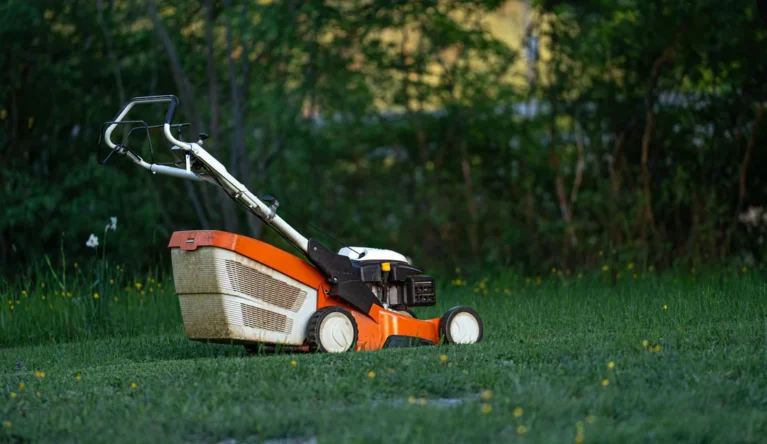
One maintenance habit goes further than any product: sharpen or replace the mower blade at the start of each season. A blunt blade tears grass rather than cutting it, leaving frayed tips that brown off and invite disease in. Cutting tall grass in late spring dulls a blade quickly. It takes half an hour to sort, and it visibly improves the finish of every cut for the rest of the year.
What it costs to have it handled
If you would rather not own a mower, shed, and spare Saturday mornings, professional help is straightforward. A single lawn mow in Northampton usually costs £25 to £45 for a small to medium garden, while a mow, edge, and tidy visit typically runs £40 to £70. Regular fortnightly mowing and edging starts at around £30 to £55 per visit, and a full maintenance visit covering borders and weeding is £55 to £95.
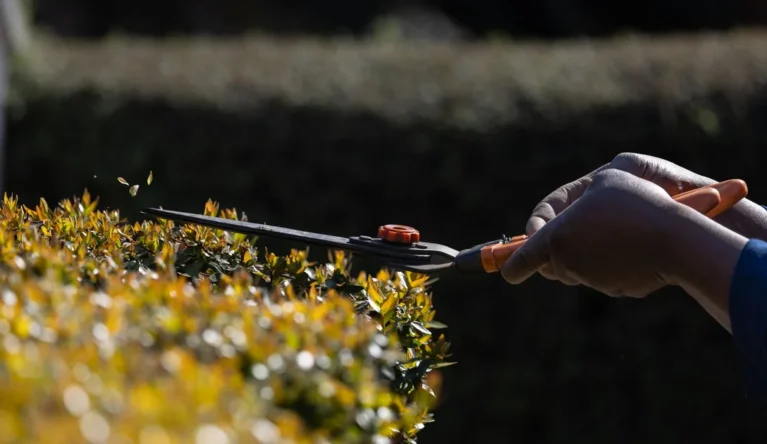
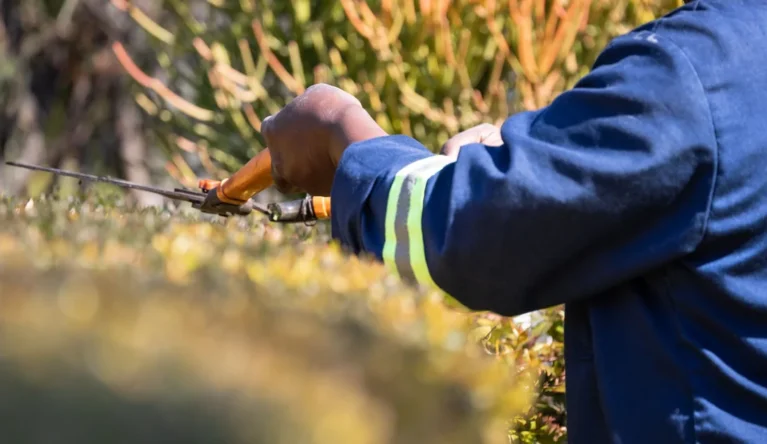
Regular visits also mean the small problems get caught early. A fortnightly route is exactly where a mossy corner or a thinning patch gets spotted before it becomes a spring project, and while the gardener is on site, hedges are a quick addition. When to cut those is covered in our seasonal hedge cutting guide.
The longer view of how a garden should be managed through the year is in our month-by-month Northampton garden maintenance guide, and if you want the lawn part handled, our gardening and landscaping service covers mowing, edging, feeding, and seasonal treatments.
Want a lawn that looks after itself, with a little professional help? Book lawn mowing in Northampton or call us on 07743 636769, Monday to Saturday, 8am to 7pm. We cover all NN postcodes and the surrounding Northamptonshire area.