 English

A tenancy that ends badly costs far more than the gap between tenants. If the property is not returned to the standard it was handed over at, you are heading into a deposit dispute almost every time. For a Northampton landlord, end of tenancy cleaning is not a nice-to-have extra. It is the foundation of a dispute-free tenancy and a fast, profitable turnover.
This checklist covers what the law expects of you, what a professional clean between tenants should cover, and how to document all of it so the deposit protection service sees a clear, fair picture.
The law sets a clear baseline
Tenants are expected to return a property in the same condition it was at the start of the tenancy, allowing for fair wear and tear. That standard only means something if there is a documented start point and a comparable end point.
Two pieces of law sit behind how you handle that. The Tenant Fees Act 2019 rules out charging tenants for anything not genuinely damaged or left dirty beyond reasonable use, and it caps deposits at five weeks’ rent, which puts more pressure on the evidence. The Renters’ Rights Act 2025 has tightened standards across the private rented sector, including a stronger expectation that landlords keep clear, dated records of the property’s condition.
None of this changes the practical job: clean the property properly between tenancies, and prove it.
Start every tenancy with evidence
The cleaning checklist is only half the job. The other half is the inventory you build at the start:
- A written inventory, signed and dated by both parties
- Photographs of every room, with the date visible, taken on the day the tenancy starts
- Notes on any pre-existing marks, scuffs, and defects, however small
- A record of the condition of appliances, including the oven, with photos looked inside
When a check-out dispute reaches the deposit protection service, the adjudicator compares the start evidence with the end evidence. A dated photograph of a clean oven in 2024 is worth more than any argument in 2026.
What a professional clean between tenants covers
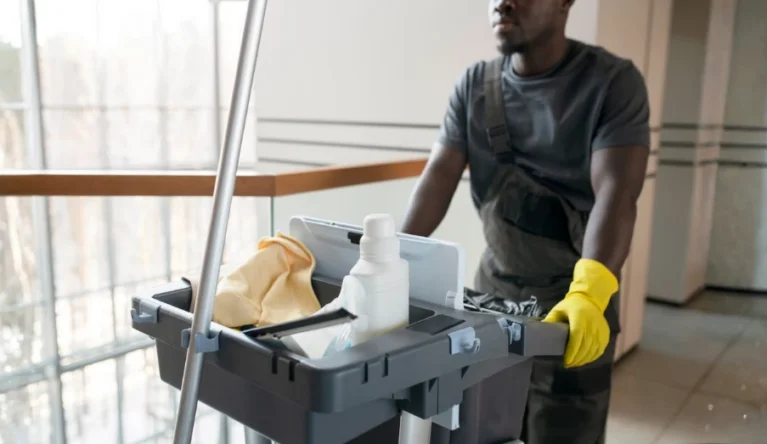
A proper end of tenancy clean is a deep clean of the whole property, not a domestic tidy. It should include:
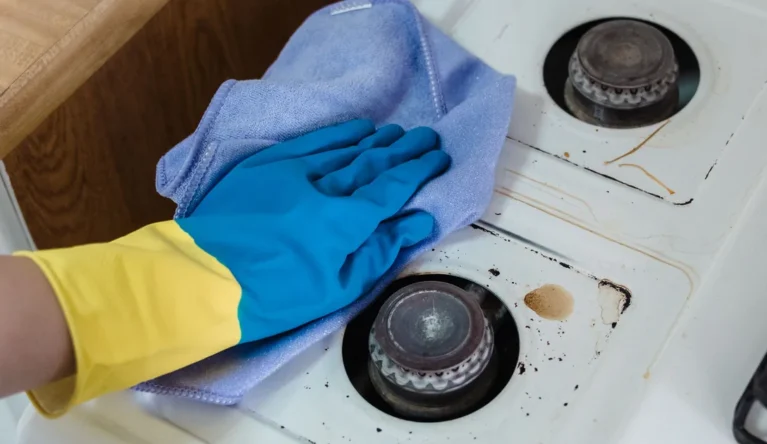
- The kitchen top to bottom: oven and hob, extractor filter, inside all cupboards and drawers, the fridge and freezer, splashbacks, and the floor under the appliances
- Every bathroom: limescale removed from screens, taps, and tiles, grout cleaned, toilet and basin detailed, extractor fan cleaned out
- Every room: windows inside, window tracks, skirting boards, door frames, radiators, light fittings, and marks wiped from walls
- Floors: vacuumed and washed throughout, with carpets professionally cleaned where the tenancy agreement requires it
- The whole property checked against your own original inventory photos before it is signed off
Northampton’s hard water makes the bathroom list more than a formality. Limescale here builds faster than in softer water areas, and a bathroom that was let two years ago can carry scale that only the right products and dwell time will shift.
The dispute numbers landlords ignore
Cleaning is the single largest cause of deposit deductions, and has been for years. Deposits protection service data consistently shows well over half of all deductions involve cleaning, with gardens and damage next. Most of those disputes are avoidable, because most are about a difference between the standard the tenant left and the standard the inventory documented at the start.
A professional clean with photographs, a written summary, and a receipt closes that gap. It gives the adjudicator exactly what they need, and it gives you something far more valuable: a property ready for viewings on day one.
What it costs in Northampton
As a 2026 guide, professional end of tenancy cleaning in Northampton typically costs £120 to £180 for a one-bedroom flat, £180 to £280 for a two-bedroom house, and £220 to £340 for a three-bedroom semi. Carpets are usually priced separately.
Measured against a void period, that number is small. Every week a property sits empty costs more than the clean, and a fresher property lets faster. The full run-through of what happens at the end of a tenancy, from the tenant’s side, is in our end of tenancy cleaning guide for Northampton, which you can share with departing tenants.
The turnover sequence that works
Order matters on a tight turnaround, and doing things in the wrong order means paying for the same job twice:
- Get the keys back and record the check-out condition, with dated photos, before anything is touched
- Complete any repairs or touch-up decorating first
- Book the professional clean for after the dust has settled, so it is done once and done last
- Have carpets cleaned after the repairs, with windows open while they dry
- Walk the property against your original inventory photos, room by room, before marketing photos are taken
One more habit pays off: send the departing tenant the cleaning checklist in advance. Tenants rarely leave an oven dirty on purpose. They leave it dirty because nobody told them what standard a check-out clean is judged against. Clear expectations, in writing, prevent most cleaning disputes before they start.
Keep the property on a sensible cycle
Between tenancies, a property still collects dust in cupboards, scale in bathrooms, and wear on carpets. If your rental has been occupied for a year or more, a periodic deep clean keeps the baseline high, so the end of tenancy clean never has to recover ground it should never have lost. Our guide to how often a Northampton home needs a deep clean explains the cycle, and our end of tenancy cleaning service works directly with Northampton landlords and letting agents, with written confirmation and receipts for deposit protection purposes.
Managing a turnover and want it handled properly, with the paperwork to match? Book end of tenancy cleaning in Northampton or call us on 07743 636769, Monday to Saturday, 8am to 7pm. We cover all NN postcodes and the surrounding Northamptonshire area.